Nature's Sweet Blessing, a Journey of Flavor.
自然的恩赐,舌尖的甜蜜之旅
Composition
Honey is primarily composed of glucose and fructose, with water as its third largest component. It contains various types of sugars, including monosaccharides (glucose, fructose), disaccharides (sucrose, maltose, etc.), and oligosaccharides. One tablespoon contains approximately 64 calories and 17 grams of carbohydrates.
A Gift from Nature
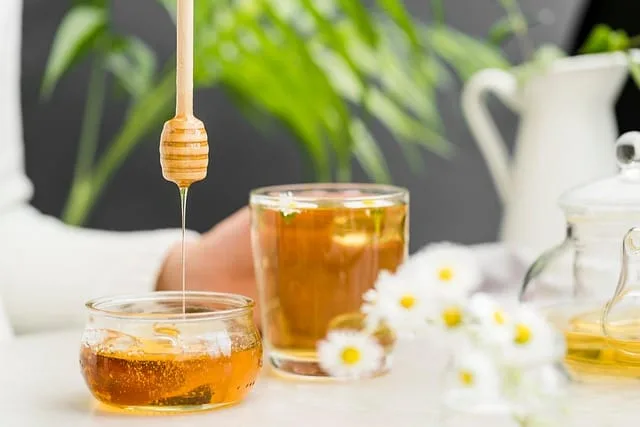
Bees collect nectar, mix it with enzymes, and let it mature into honey. The result contains over 180 compounds—mostly fructose and glucose (70%+), plus vitamins, minerals, amino acids, and enzymes.
The Glycemic Index (GI) of honey from different floral sources ranges from 35 to 87; research indicates that small variations in the fructose-to-glucose ratio do not affect honey’s GI value.
Honey contains oligosaccharides that support beneficial gut bacteria like Bifidobacteria.
Studies show honey produces a lower glycemic response than starchy foods, making moderate consumption compatible with a balanced diet.
Fundamental Characteristics of Honey
Antioxidant Activity
It has capabilities as a natural food preservative, reducing enzymatic browning in fruits and vegetables and preventing lipid oxidation in meat.
Its antimicrobial activity is primarily derived from the production of hydrogen peroxide and flavonoids (such as caffeic acid and ferulic acid).
Chemical Properties
Average pH is 3.9 (range: 3.4 to 6.1);
Contains small amounts of protein (0.266%) and amino acids (0.05-0.1%);
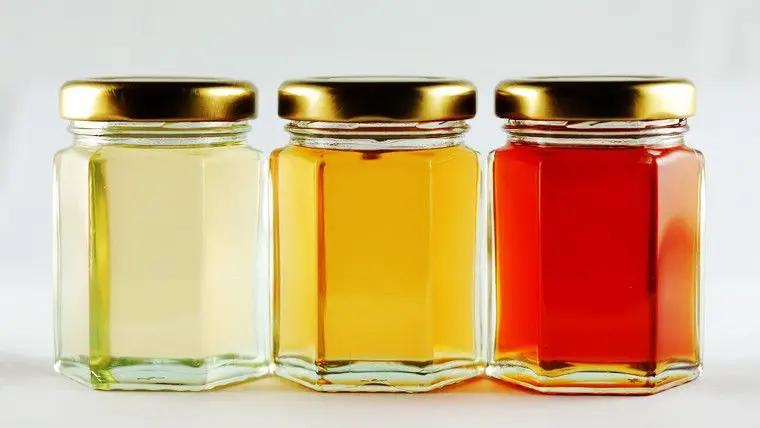
Classified into 7 categories by color: Water White, Extra White, White, Extra Light Amber, Light Amber, Amber, and Dark Amber.
Crystallization Characteristics
Honey naturally crystallizes; this is due to the spontaneous precipitation of glucose from a supersaturated solution.
Crystallization occurs because of honey’s high sugar content (>70%) and low water content (<20%).
Enzyme Activity
It contains various natural enzymes, primarily amylase, invertase, and glucose oxidase;
Enzymes make significant contributions to the functional properties of honey.
Functional Properties
Flavor enhancement: Increases sweetness, reduces acidity and bitterness;
Humectant properties: Ability to absorb and retain moisture;
Freezing point depression: A solution containing 15% honey has a freezing point of approximately -1.5°C;
Viscosity: Influenced by temperature, moisture content, and floral source.
Nutritional Value
Contains small amounts of minerals (e.g., potassium, calcium, phosphorus, magnesium); contains trace amounts of vitamins.
Can be used as a sports nutrition product, providing readily available carbohydrates.
Antimicrobial Properties
It possesses natural food preservative capabilities, able to reduce enzymatic browning in fruits and vegetables and prevent lipid oxidation in meat.
Its antimicrobial activity is primarily derived from the production of hydrogen peroxide and flavonoids (such as caffeic acid and ferulic acid).
Heat Treatment Characteristics
Heat treatment prevents unwanted fermentation and delays crystallization;
A common heat treatment method involves heating to 77°C for 2 minutes, followed by rapid cooling to 54°C;
Excessive heating can impair honey quality.
China’s vast and diverse geography, with varied climates, nurtures an unparalleled richness of nectar-producing plants—from northern linden and vitex to southern lychee and longan, alongside widespread rapeseed, black locust, and mixed-flower meadows—creating a treasure trove of honey sources with staggered flowering seasons.
Leveraging this natural bounty, we, as a professional supplier of both honey and versatile honey powder, are dedicated to providing customized products and services for all clients. We cater to liquid honey users with a selection of honey varieties and a comprehensive array of packaging options, ranging from small plastic pails (5-7kg, 25kg, 75kg) and 290kg food-grade steel drums to 1200-1300kg IBC (Intermediate Bulk Container) totes. Whether serving small bakeries with flexible demands or large-scale industrial food manufacturers requiring substantial volumes, we deliver precisely matched, high-quality honey and tailored packaging solutions.

Honey for the Food Industry (Customizable Production)
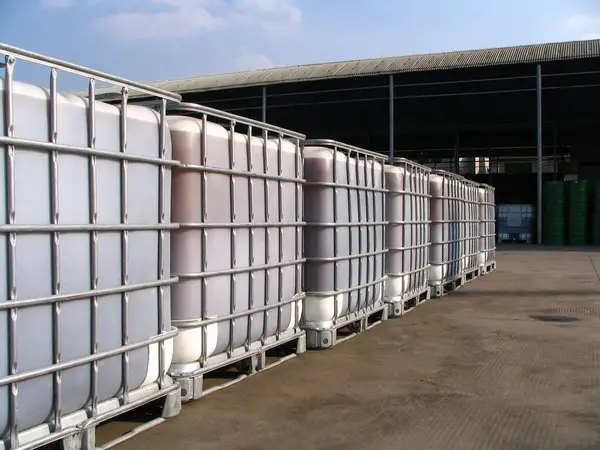
1200-1300kg IBC Totes
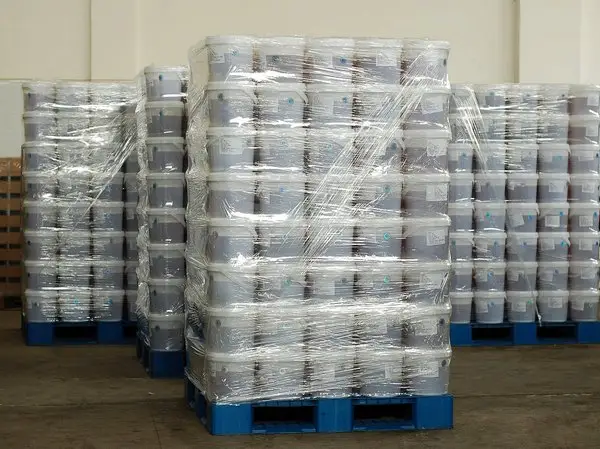
5-7kg, 25kg, and 75kg Plastic Buckets
Honey in Retail Packaging (Customizable)
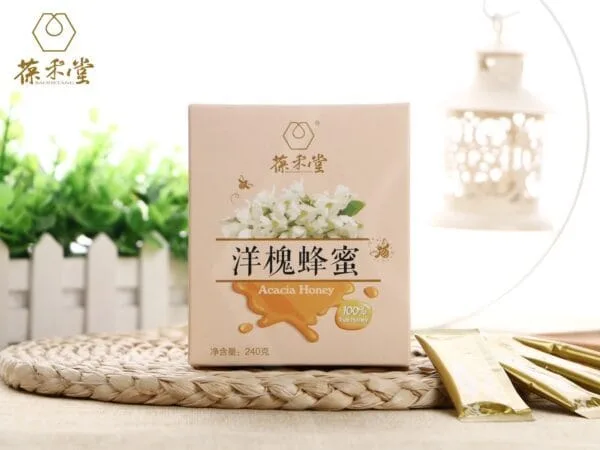
Small Pack Honey